Walk into a school washroom a few minutes after someone has actually used an electronic cigarette and you might not see anything apparent. Maybe a faint sweet odor, maybe absolutely nothing at all. Yet a midway decent air quality sensor will light up like a Christmas tree. What feels undetectable to us is very visible to the electronics.
Understanding why that occurs requires looking closely at particulate matter, the method aerosols scatter light, and how various generations of vape detectors attempt to make sense of an untidy, changing environment. Once you see how the noticing works, the limitations and the false alarms make a lot more sense too.
What vape clouds actually are
Most people speak about "smoke" and "vapor" as if they are completely different things. Physically, a vape cloud is not a gas in the pure sense. It is an aerosol: microscopic liquid beads suspended in air, blended with gases and some unstable organic substances that evaporate quite fast.
In common nicotine e‑liquids, the primary aerosol components are propylene glycol and vegetable glycerin. Both form dense clouds when they condense into beads. Add nicotine, flavorings, and in some cases additives such as sweeteners, and you get the characteristic appearance and smell of an electronic cigarette.
THC vapes shift the structure somewhat, relying more on oils and terpenes, but the concept is the same. A heated liquid or oil forms droplets and vapor that cool and condense as they combine with space air.
From a sensor's point of view, numerous things matter:
- particle size, shape, and number how long the beads make it through before evaporating what gases and unpredictable organic substances are launched along the way
Even if a vape cloud looks similar to cigarette smoke, the physics can be rather different. Cigarette smoke produces mostly solid and tarry particles mixed with gases from combustion. A vape produces liquid droplets that can evaporate faster and act in a different way in detectors that were originally developed as smoke detectors for fires.
Particulate matter: the standard language of aerosols
Air quality sensing units talk in the language of particulate matter, commonly abbreviated as PM. The typical metrics are PM10, PM2.5, and sometimes PM1. The number refers to particle diameter in micrometers. A human hair is roughly 50 to 70 micrometers, so even PM10 particles are tiny.
In ecological health, PM2.5 is the workhorse indicator. Long‑term exposure to high PM2.5 is related to cardiovascular disease, asthma, and other chronic conditions. Government air quality index values are generally tied to PM2.5 measurements, plus some gases.
Vape aerosols are controlled by particles in the PM1 to PM2.5 range. That is one factor indoor air quality screens respond so highly when somebody takes a few puffs in a closed area. From the sensor's perspective, it is all of a sudden seeing a massive spike in great particulate matter.
Two things surprise people when they see real data:
First, the peak PM2.5 values from vaping in a small, badly ventilated space can match or go beyond a smoky kitchen after frying food. I have seen off‑the‑shelf sensors climb over 500 micrograms per cubic meter within seconds of a heavy exhale.
Second, the spike rots fairly rapidly, particularly if there is any airflow. Numerous vape particles evaporate or deposit on surfaces within minutes. That short-term habits works for detection, however it also makes enforcement challenging. By the time a team member arrives, the sensing unit has actually already returned to normal.
How optical particle sensing units "see" a cloud
If you open an indoor air quality monitor or a vape sensor, you will often discover a small optical particle counter inside. Regardless of the intimidating term, the idea is basic: shine light through a small stream of air and watch how much light gets scattered by particles.
The useful engineering is where the trade‑offs come in.
Most low‑cost PM sensing units use a laser diode and a photodiode. A tiny fan or piezo pump pulls air into a dark chamber. The laser forms a beam across that air stream. When particles go through, they spread light. The photodiode measures that scattered signal. Larger or more many particles produce stronger signals.
The sensing unit's internal algorithm converts those flashes of light into a pie chart of particle sizes and counts, then aggregates them into estimated PM1, PM2.5, and PM10 mass concentrations. Those are what the majority of indoor air quality keeps track of display.
With vapes, numerous quirks appear:
Droplet size distribution: Vape beads frequently fall right in the sweet area for optimal light scattering, so they produce extremely strong optical signals even when the mass is not huge. Non spherical shapes and refractive index: The liquid structure and optical homes of the beads impact how light scatters. Sensors are adjusted with presumptions about particle type, often based upon dust or smoke. Vape aerosols do not always behave like those reference particles. High concentration: A vape cloud in a little space can totally saturate the detector, triggering it to max out or behave nonlinearly, specifically right after exhalation.When we state a vape detector utilizes aerosol detection, in most cases we are talking mainly about these optical measurements. A basic school or work environment unit may be little bit more than a well‑tuned optical particle sensor wrapped in a plastic enclosure with some networking and firmware on top.
Where vape detection diverges from standard smoke detection
Legacy smoke detectors in smoke alarm systems were never developed for electronic cigarettes. Two common types exist in structures: ionization detectors and photoelectric detectors.
Ionization smoke alarm use a small radioactive source to ionize air and measure how smoke particles alter the electrical existing between electrodes. They are delicate to extremely small combustion particles however respond inadequately to some large, slow‑moving aerosol beads. That is one reason a bathroom filled with vape clouds might not set off a conventional smoke alarm, although a toaster filled with burning crumbs might.
Photoelectric smoke detectors utilize a source of light and a photodiode organized so that light usually misses the detector. When smoke gets in, it scatters light into the sensing unit, setting off the alarm. These detectors are somewhat more responsive to bigger particles and can be activated by some vape clouds, specifically in restricted spaces.
Dedicated vape alarms and vape sensing units borrow optical ideas however improve them. A purpose built vape detector might:
- use a more sensitive scattering geometry focused on fine particles analyze not just absolute PM2.5 levels however the rate of change combine particle data with volatile organic compound measurements run tailored algorithms that search for "vaping signatures" rather than generic smoke
This is where the useful distinction appears in a school restroom. A routine smoke detector might stay quiet. A vape sensor being in the same space may report a distinct occasion: continual PM spike above a learned baseline, VOC modification that suggests propylene glycol, and a brief time profile common of a few exhalations instead of a sluggish burning fire.
Gases, VOCs, and the missing nicotine sensor
Particulate matter alone can not inform you what someone is doing. A cloud of hairspray, dust from a hand dryer, or steam blended with cleaning up chemicals can all trigger aerosol detection systems to respond. That is why lots of modern-day air quality sensors likewise determine gases and unpredictable organic compounds.
Low cost metal oxide (MOX) sensors respond to a broad series of VOCs. They alter resistance when exposed to alcohols, aldehydes, aromatics, and lots of other substances. In vape detection, MOX sensing units can assist differentiate a fragrance cloud from a vape cloud, however they are not specific enough to nail nicotine detection or THC detection directly.
The blunt truth is that there is presently no budget-friendly, robust, extensively released nicotine sensor that can selectively measure nicotine in ambient air at the concentrations and conditions seen in real structures. Electrochemical cells and laboratory grade instruments exist, but they are expensive, need frequent calibration, and struggle in the humidity swings of bathrooms and vape alarm fitness center locker rooms.
THC detection in air faces similar problems. For trusted recognition, you end up in the world of advanced spectroscopy or mass spectrometry. That is far beyond what a school district or most workplace safety groups can release in lots of rooms.
Because of that space, genuine vape sensors typically presume vaping habits indirectly, sewing together evidence:
- a distinct PM1 to PM2.5 spike pattern rapid rise and decay over tens of seconds VOC reaction that matches glycol and flavoring profiles more than cleaning up products sometimes, sound or movement hints that suggest occupancy
This is pattern acknowledgment, not a drug test. The system is estimating the likelihood of vaping, not measuring nicotine concentration the method a blood test or urine test would.
When you see an item marketed as a "nicotine sensor", read the technical details thoroughly. In the huge bulk of indoor air quality displays and school vape detectors, nicotine detection is algorithmic, not a direct chemical measurement.
Machine olfaction: giving sensing units a crude sense of smell
Researchers often describe these multi‑sensor approaches as "machine olfaction". The concept is to approximate a sense of odor using an array of broad spectrum gas sensors and pattern recognition. Simply as your nose and brain do not have a particular receptor for every possible substance, but rather presume smells from combinations, a machine olfaction system looks at the combined pattern of sensing unit responses.
In useful vape detectors, this might indicate:
- two or 3 different MOX gas sensing units with various coatings a humidity and temperature level sensor to correct for environmental drift the optical particle sensing unit as a high gain "eyes on aerosols"
The device discovers what "normal" appears like for that room over hours or days. It then flags departures from that standard, using a mix of guidelines and sometimes easy artificial intelligence. With time, it can discover that a specific restroom always has strong perfume spikes around lunchtime, however vaping occasions have a various PM and VOC shape.
The strength of this technique is adaptability. A washroom in a high school, a storage facility break space, and a health center personnel lounge all have different background chemicals and particle levels. Machine olfaction style systems can tailor their limits for each location.
The weak point is explainability. When a device problems a vape alarm, it is typically difficult to state exactly why in easy chemical terms. That can produce friction with trainees, employees, and even administrators who desire black and white proof.
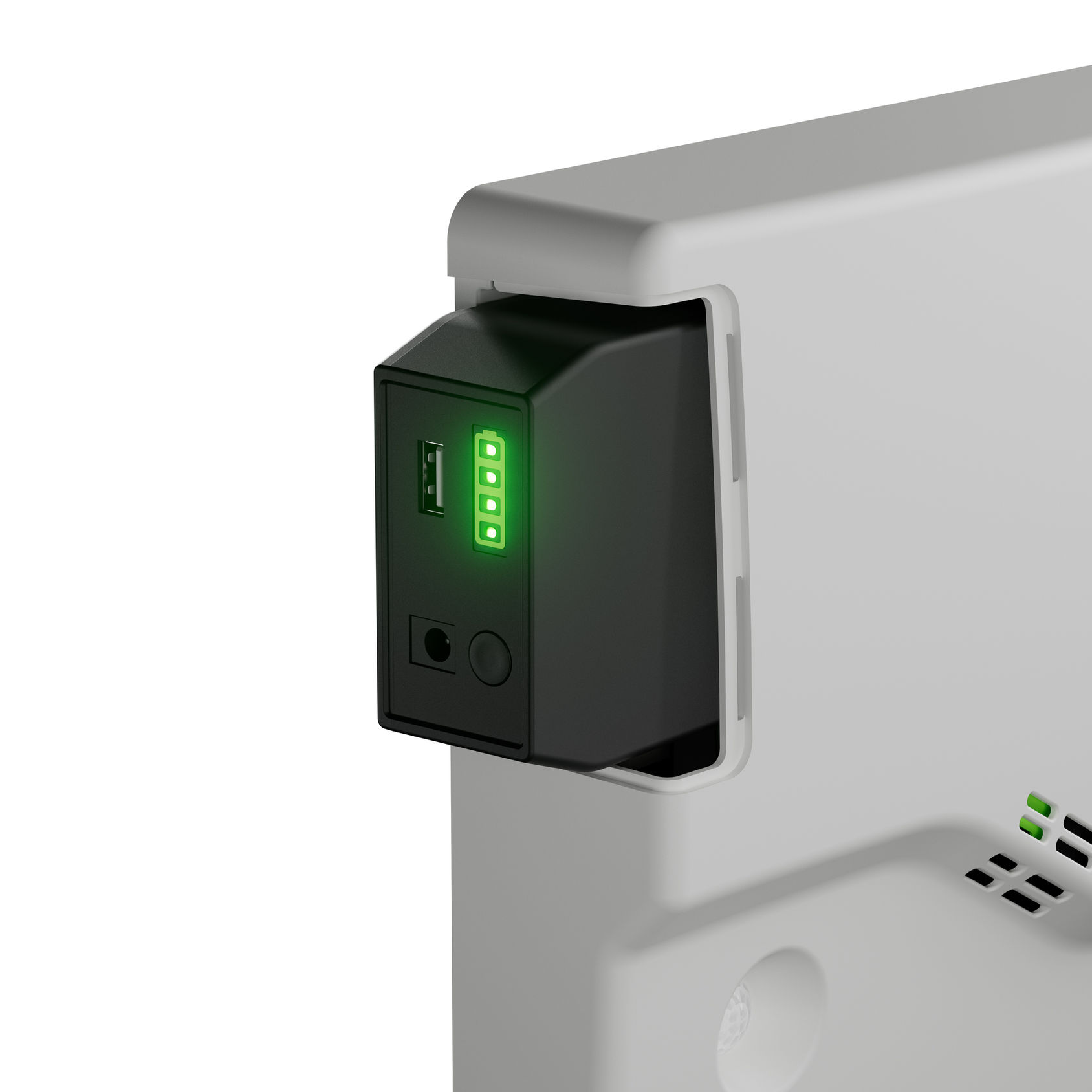
From sensing units to systems: IoT, networks, and real enforcement
A separated sensing unit blinking red in a ceiling tile does not improve student health or employee health by itself. The genuine impact comes when air quality information is incorporated into building systems.
Modern vape detectors and indoor air quality screens frequently connect to a wireless sensor network. They send out information to a main platform over Wi‑Fi, LoRaWAN, or exclusive radio links. That platform can then:
- show actual time trends and notifies on a dashboard trigger alerts to staff mobile phones or radios log occurrence history per space for school safety or workplace safety audits
Some center groups take this one step further and link the vape sensor network to existing building systems. For example, an access control system may record door swipes for a bathroom around the time of duplicated vape alarms, assisting narrow down who existed. A building automation system might briefly improve exhaust fan speeds when a cluster of sensing units suggests bad indoor air quality in a particular wing.
The combination with fire alarm systems is more delicate. Fire codes are stringent for excellent factor. In many jurisdictions, you do not want a third party IoT vape sensor straight triggering a smoke alarm panel. Rather, they are usually kept rationally different. The vape alarms go to administrators or security, while smoke detectors and heat detectors deal with life safety.
One useful concern I have seen is alert fatigue. If a school installs highly sensitive vape detectors in every restroom and does not change thresholds attentively, staff can get dozens of notices in a week, often for events that are borderline or triggered by non‑vape aerosols. Human attention is finite. A well designed system needs to let users fine tune level of sensitivity, specify quiet hours, and compare small and significant incidents.
The health angle: what sensors can and can not inform you
There is a natural temptation to treat sensor numbers as accurate procedures of risk. Somebody sees a PM2.5 reading of 200 micrograms per cubic meter on an indoor air quality monitor and assumes immediate damage. Reality is a bit more nuanced.
With vaping, the primary health issues fall under several categories:
- secondhand and thirdhand exposure to nicotine and other chemicals ultrafine particulate matter reaching deep into the lungs flavorings and additives that may cause irritation or longer term harm the risk of vaping associated lung injury in some users, especially with adulterated THC cartridges
Short spikes of high PM from vaping in an otherwise clean environment are not likely to straight trigger acute lung injury in spectators. The larger concern in schools is normalization of nicotine usage, dependency, and the https://www.wavy.com/business/press-releases/globenewswire/9649153/zeptive-unveils-settlement-to-safety-program-to-maximize-juul-and-altria-settlement-funds-for-schools-by-2026 unidentified long term risks of persistent exposure to complicated aerosol mixtures.
Sensors are valuable here as early caution tools, not diagnostic gadgets. They show where vaping is in fact taking place, how frequently, and approximately how intense those events are. A principal might believe vaping is restricted to a couple of bathrooms, then discover from the sensing unit logs that numerous class closets and a back stairwell are involved.
In work environments, repeated vape alarms in a particular break space could signal poor ventilation and a requirement to reconsider policies. Employee health programs depend on both behavioral assistance and ecological design. You can not encourage a vape free culture if the physical environment silently supports the opposite.
False positives, personal privacy, and trust
The most fully grown sensing unit systems I have seen prosper not since they are perfect, but due to the fact that the companies utilizing them communicate freely about trade offs.
False positives do happen. Strong aerosols from hair spray, deodorant, fog machines, and even vapor from e‑cigarette‑like foggers utilized in entertainment settings can activate vape detectors. In greatly utilized bathrooms, humidity bursts from showers can drift closer to alarm limits. Cleaning days can confuse VOC sensors.
On the privacy side, some students and workers fret that vape sensors feature surprise microphones or cams. Reliable vendors do not include audio or video. They count on physical quantities: particles, VOCs, humidity, and motion. That difference ought to be spelled out in policies and interacted clearly.
Trust likewise depends upon how information is used. If each and every single vape alarm causes harsh penalty without any context, students will attempt to defeat or vandalize the gadgets. Restroom ceilings filled with sensing unit enclosures surrounded by shoe prints tell a story. Better outcomes tend to come from utilizing vape detection as a discussion starter and a tool in a wider vaping prevention strategy, not as a standalone enforcement hammer.
Designing vape totally free zones with ventilation and sensing
Creating useful vape totally free zones goes beyond hanging a few sensing units and expecting the very best. The physical environment matters a lot. In some older buildings, the air flow in between spaces is so leaking that vaping in one restroom rapidly affects the passage and surrounding spaces, complicating both detection and containment.
Ventilation upgrades frequently offer more advantage than expected. Increasing exhaust in bathrooms and break spaces, stabilizing supply air, and guaranteeing that return ducts do not pull infected air into class can cut down on both smell grievances and sensor noise. When an indoor air quality monitor is set up before and after such work, the improvement in baseline PM and CO2 levels is normally obvious.
Administrative controls help too. Clear signage, constant messaging about student health and employee health, and predictable actions to duplicated alarms all signal that the vape totally free policy is not simply for show.
This is where long term sensing unit information can be surprisingly powerful. A principal standing in front of a school board with a chart revealing sharp reductions in vape alarm frequency over a term, tied to policy modifications and counseling programs, has more than anecdotes. They have a grounded photo of habits shifts.
Limits of present sensor technology and where it is heading
Despite the rapid development of sensor technology, several difficult restrictions remain.
Direct nicotine detection in ambient air at practical cost is still out of reach for the majority of structures. Real THC detection in space air, without lab assistance, is similarly restricted. That suggests vape sensors will continue to depend on probabilistic pattern detection utilizing particulate matter and VOC proxies.
Calibration drift is another challenge. MOX VOC sensors age, and their response changes with humidity and temperature. Optical particle sensors collect dust in their tasting chamber. Without regular calibration or a minimum of self examining regimens, readings can drift over months or years.
On the plus side, integration into the Internet of things community is improving. Firmware updates can fine-tune algorithms based on real field data. Cloud control panels allow center groups to compare spaces and buildings, not simply single devices. Wireless sensor network standards are gradually assembling enough that an indoor air quality monitor from one supplier can live alongside a vape detector from another without IT chaos.
Researchers are also checking out more advanced machine olfaction arrays that use conducting polymers, micro‑gas chromatography, or compact infrared spectroscopy to acquire more uniqueness. The dream of a wall installed gadget that can reliably identify nicotine, THC, and numerous solvents from normal background chemicals is not here yet, however the roadmap is clearer than it was a years ago.
Practical guidance for schools and workplaces thinking about vape sensors
For administrators and security officers, the technical details are fascinating, but eventually they care about what to install, where, and how to operate it.
A brief checklist helps frame the key decisions:
Clarify your objective: Do you mostly want vaping prevention, documents for policy enforcement, or general indoor air quality enhancement? The answer impacts where you put sensors and how you set up alerts. Assess your facilities: Inspect Wi‑Fi coverage, power accessibility at likely sensing unit areas, and any combination requires with existing access control or emergency alarm systems. Compare functions reasonably: Search for robust particulate matter picking up, a minimum of basic VOC measurement, clear occasion logging, and configurable alert limits. Be skeptical of claims of direct nicotine or THC detection without clear technical backing. Plan for maintenance: Allocate some spending plan and staff time for regular sensor cleansing, firmware updates, and periodic recalibration or replacement, specifically after a couple of years. Communicate openly: Describe to students or staff members what the sensing units do, what they do refrain from doing, how information is stored, and how vape alarms will be managed. Line up the technology with clear policies and support programs.Vape detectors are not magic boxes that make vaping disappear. They are specialized air quality sensing units that see patterns of particulate matter and gases we can not see with our eyes. Utilized attentively, as part of a wider technique that respects personal privacy and concentrates on health, they can make unnoticeable habits noticeable adequate to address.
And at a more fundamental level, they remind us of something simple to forget: indoor air quality is as genuine and variable as water quality, yet most of the time we go about our days with no sense of what we are breathing. Whether the concern is vaping, cooking smoke, cleaning fumes, or great dust, bringing that covert world into view is the primary step toward much safer schools and workplaces.