Introduction
In today's rapidly changing world, vaping has emerged as a prominent alternative to traditional smoking. While it may be perceived as a safer option, it brings its own set of challenges, particularly in public and private buildings. As building managers, understanding the nuances of vape detection is crucial for maintaining a healthy environment for all occupants. This article aims to delve deep into the intricacies of vape detection, providing building managers with essential knowledge and tools to effectively address this growing concern.
Vape Detection: Understanding the Basics
What is Vaping?
Vaping refers to the act of inhaling vapor produced by electronic cigarettes (e-cigarettes) or similar devices. These devices heat up a liquid solution (often containing nicotine, flavorings, and other chemicals), creating an aerosol that users inhale. Unlike traditional vape detectors cigarettes that produce harmful tar and smoke, vaping is often marketed as a cleaner alternative.
Why is Vape Detection Important?
Understanding vape detection is critical for several reasons:
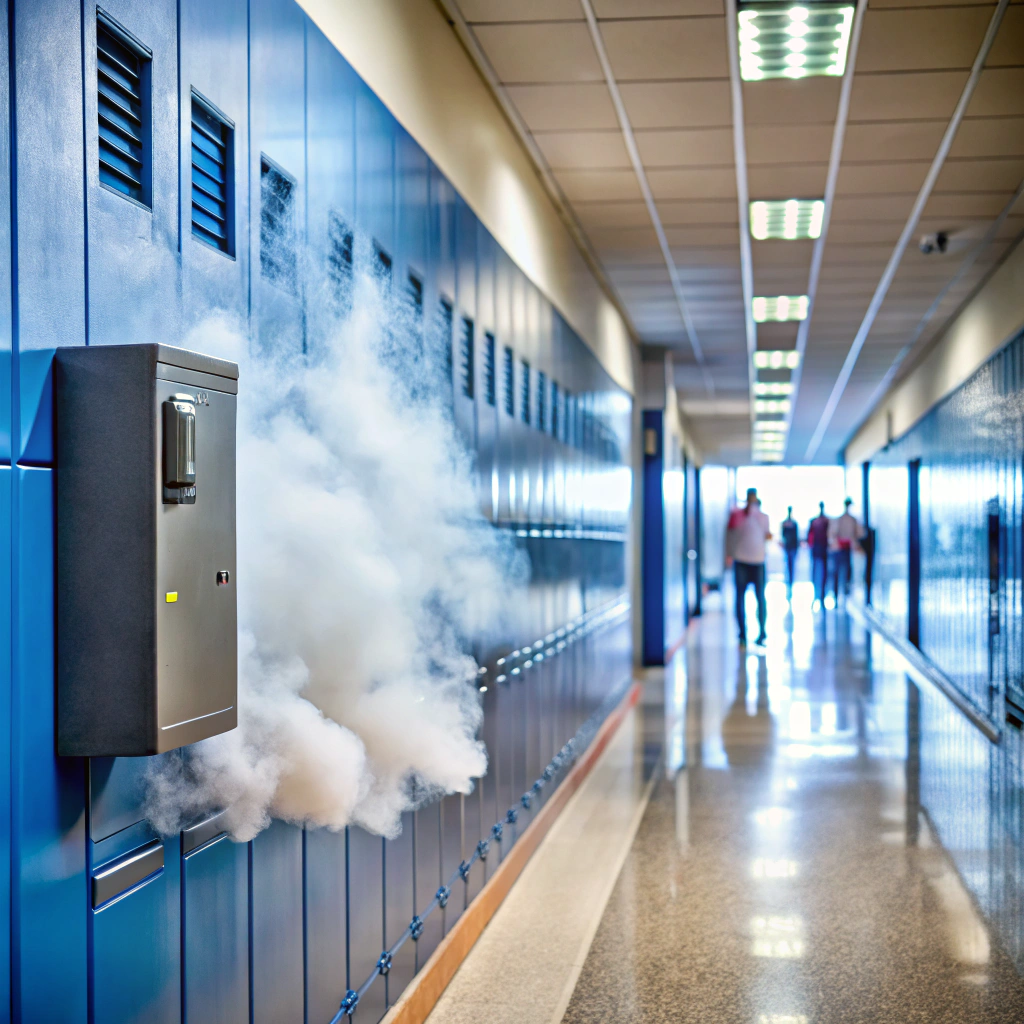
Recognizing Vaping Devices
Common Types of Vaping Devices
E-Cigarettes: These are compact devices designed to mimic traditional cigarettes. Vape Pens: Larger than e-cigarettes, these devices often feature refillable tanks and adjustable settings. Box Mods: Advanced devices that allow users to modify their vaping experience extensively.How Do These Devices Work?
Vaping devices operate on a simple principle: they use a battery-powered heating element to vaporize liquid solutions known as e-liquids or vape juices. Users inhale the resulting aerosol, which contains various chemicals including nicotine.
The Science Behind Vape Detection
How Does Vape Detection Work?
Vape detection technology relies on various sensors that can detect specific chemical signatures associated with vaporized substances. Most commonly, these sensors identify:
- Nicotine Glycerol Propylene glycol Flavoring agents
Types of Vape Detection Sensors
Chemical Sensors: Designed to detect specific constituents found in vape aerosols. Smoke Detectors Adapted for Vapors: Traditional smoke detectors that have been modified for vaping detection. Visual Detection Systems: Utilizing cameras paired with AI algorithms to identify vaping behaviors.Implementing Vape Detection Strategies
Step-by-Step Approach for Building Managers
Assess Your Building’s Needs: Evaluate areas where vaping might be prevalent – lounges, common rooms, or even individual units. Choose Appropriate Technology: Select from chemical sensors or visual systems based on your assessment. Educate Tenants: Inform residents about the new detection measures and their purpose through informational sessions or flyers. Regular Monitoring and Maintenance: Ensure sensors are functioning correctly through routine checks.Challenges in Vape Detection
False Positives in Vape Detection Systems
One significant challenge facing vape detection technologies is false positives—instances where the Hop over to this website detector signals an alert without actual vaping occurring. Common causes include:
- Cooking fumes Air fresheners Other airborne chemicals
Privacy Concerns Related to Surveillance Systems
When implementing visual detection systems, privacy becomes a critical issue:
- Residents may feel uncomfortable being monitored. It’s essential to maintain transparency about surveillance practices and data usage policies.
Legal Implications of Vape Detection
Understanding Local Regulations on Vaping
Building managers must stay abreast of local laws governing vaping in shared spaces:
Are there restrictions on where individuals can vape? What protocols must be followed if violations occur?Establishing Clear Policies for Residents
Create clear guidelines outlining acceptable vaping behavior within your facility:
- Designate specific areas for vaping (if allowed). Clarify consequences for violations.
Educating Residents on Vaping Risks
Health Risks Associated with Vaping
Education plays a pivotal role in addressing the concerns surrounding vaping:
Increased respiratory issues Potential addiction due to nicotine content Long-term unknown health effectsOrganizing Workshops or Seminars
Consider hosting workshops featuring health professionals who can provide insights into the risks associated with both smoking and vaping.
Monitoring Trends in Vaping Among Residents
Keeping Track of Usage Patterns
Utilize vape detection data not only as an enforcement tool but also as a means of understanding usage trends among residents over time.
Adjusting Policies Based on Findings
If certain areas show increased activity related to vaping, consider reevaluating policies or providing additional education resources tailored towards those demographics.
FAQs About Vape Detection Technologies
What types of buildings benefit from vape detection systems?- Any residential or commercial space where occupants gather can benefit from these systems.
- Brands like SmokeBuddy and Airthings are popular choices among building managers looking for effective solutions.
- Costs vary widely depending on technology; budget anywhere from $200-$500 per unit plus installation fees.
- Yes! Advanced sensors specifically designed for vapors can accurately differentiate between various substances in the air.
5 Is it necessary to notify tenants before installing monitoring systems?
- Absolutely! Transparency fosters trust and ensures compliance with privacy laws while maintaining tenant satisfaction levels high.
6 What actions should I take if my system detects frequent vaping incidents?
- Review policies first; then communicate findings respectfully before escalating responses such as fines or evictions if necessary.
Conclusion
As we navigate through modern challenges posed by new forms of smoking alternatives like vapes, building managers find themselves at the forefront of ensuring safety within their facilities while respecting resident rights too! By adopting comprehensive strategies around monitoring capabilities alongside robust educational programs tailored specifically towards these emerging trends—managers not only protect their properties but also foster healthier living environments overall!
In conclusion, staying informed about technological advancements related specifically towards “vape detection” will empower every building manager today! So let's embrace these changes collaboratively instead – after all community well-being comes first!